A bent rim, a curb scratch, or a slow leak can quickly turn a normal day into a scheduling problem. The main benefit for drivers looking for mobile wheel repair Atlanta is that a wheel’s safety and appearance can often be restored without taking the vehicle to a repair shop. This guide explains how mobile wheel repair works, the problems it can resolve, what to expect during service, and how to decide whether repair is the right option.
What Mobile Wheel Repair Means in Real Life
Mobile wheel repair is a professional service where a trained technician travels to your location to inspect and repair damaged wheels. Instead of driving to a facility and waiting for service, you schedule an appointment at your home, workplace, or another approved location within the Atlanta metro area.
While the concept is simple, the execution is highly technical. A reliable mobile wheel repair company arrives with specialized tools, repair materials, and safety procedures that allow many common wheel issues to be corrected to professional standards.
Who Typically Uses Mobile Wheel Repair
Mobile wheel repair is commonly used by:
- Commuters who cannot spare time for shopping appointments
- Families managing multiple vehicles and busy schedules
- Dealerships preparing vehicles for sale or delivery
- Fleet managers requiring a quick turnaround for operational vehicles
- Drivers seeking cosmetic improvements without replacing wheels
Common Wheel Problems That Mobile Repair Can Fix
Not all wheel damage can be repaired on-site. Before beginning work, a qualified technician evaluates the wheel’s structure, finish, and safety.
Commonly Addressed Issues
- Curb rash and scuffs on alloy wheels
- Minor bends that cause vibration or uneven tire wear
- Peeling clear coat or localized finish damage
- Corrosion on the wheel surface, especially near the bead seat area
- Slow leaks caused by bead corrosion or sealing issues
- Cosmetic refinishing to restore the overall wheel appearance
Issues That May Require a Shop or Replacement
- Large cracks near the spokes or hub area
- Wheels that are severely bent or out of round beyond safe tolerances
- Structural damage caused by high-speed impacts or potholes
- Extensive corrosion that compromises wheel integrity
A trustworthy provider will be transparent and recommend shop repair or replacement when mobile repair is not safe or cost-effective.
How Mobile Wheel Repair Works Step by Step
Mobile wheel repair follows a structured process designed to ensure safety, durability, and consistent results.
1. Scheduling and Initial Evaluation
Most services begin with a brief assessment that includes
- Wheel size and material, such as alloy, steel, or specialty finishes
- Type of visible damage, including rash, bends, or paint damage
- Symptoms such as vibration, pulling, or air loss
- Photos, when available, for pre-inspection
This information helps determine whether the repair can be performed on-site and what equipment is required.
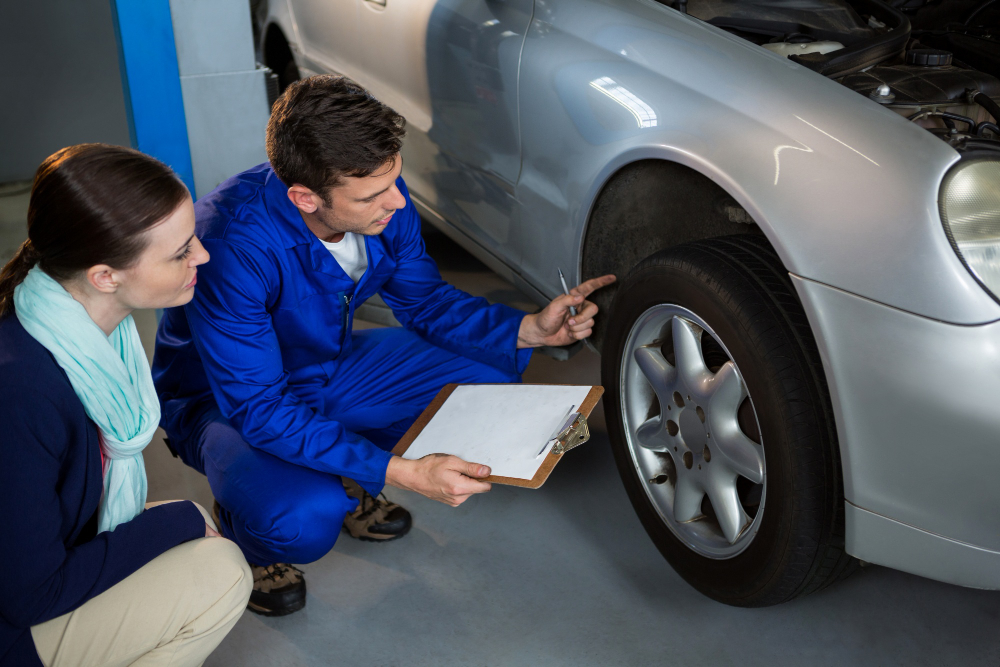
2. On-Site Inspection and Safety Check
Once the technician arrives, they confirm:
- The wheel damage is repairable
- The tire is suitable for removal and reinstallation
- The vehicle can be safely lifted and secured
- There are no hidden structural risks
This step is critical. Cosmetic damage is common, but some impacts can cause hairline cracks that must be identified early.
3. Wheel Removal and Preparation
For many repairs, the wheel is removed from the vehicle. Depending on the repair type, the tire may be partially or fully removed.
Preparation may include:
- Cleaning the wheel surface to remove brake dust and debris
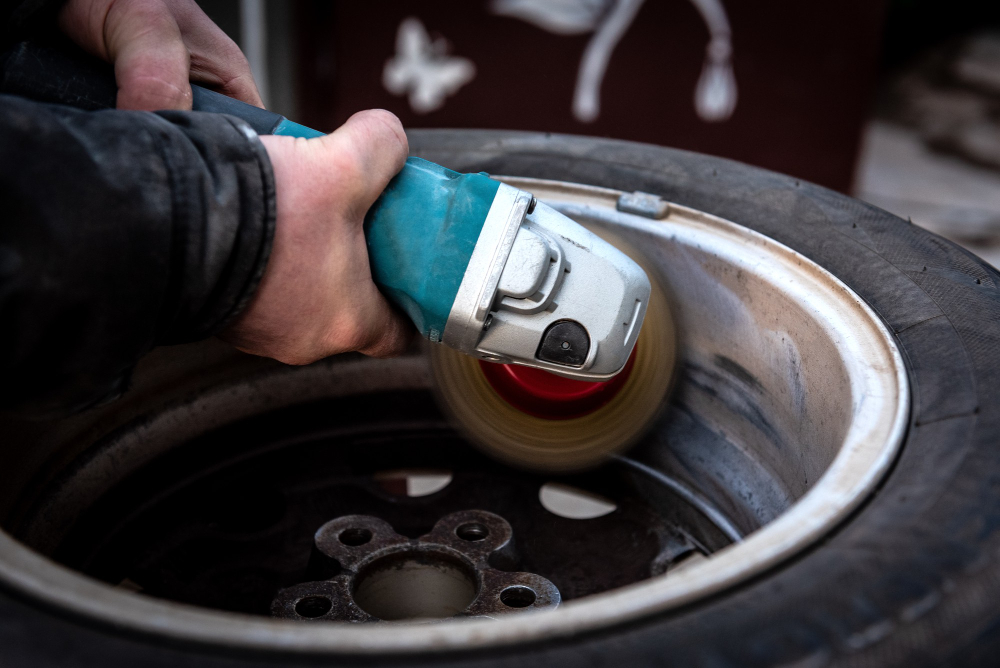
- Sanding or grinding damaged edges
- Masking undamaged areas to protect existing finishes
- Inspecting the bead seat area when air leaks are present
4. Repair and Reshaping
The technician addresses the core damage using professional methods, which may include:
- Filling and reshaping areas affected by curb rash
- Correcting minor bends with controlled straightening techniques
- Repairing surface imperfections before refinishing
- Restoring smooth and uniform contours to match the original wheel profile
Experience is essential at this stage. Improper reshaping or poor surface preparation can result in premature failure.
5. Refinishing and Curing
If cosmetic restoration is required, refinishing may include:
- Primer application where necessary
- Precise color matching for painted wheels
- Clear coat application for durability and gloss consistency
- Controlled drying or curing procedures
Not all mobile services offer advanced refinishing for chrome or certain powder-coated finishes. A professional technician will explain what can be completed on-site versus what requires a controlled shop environment.
6. Reinstallation, Balancing, and Final Checks
After repair, the wheel is reinstalled and inspected for:
- Correct torque specifications
- Seal integrity for leak-related repairs
- Consistency of the visual finish
- Recommendations for testing if vibration or handling concerns were present
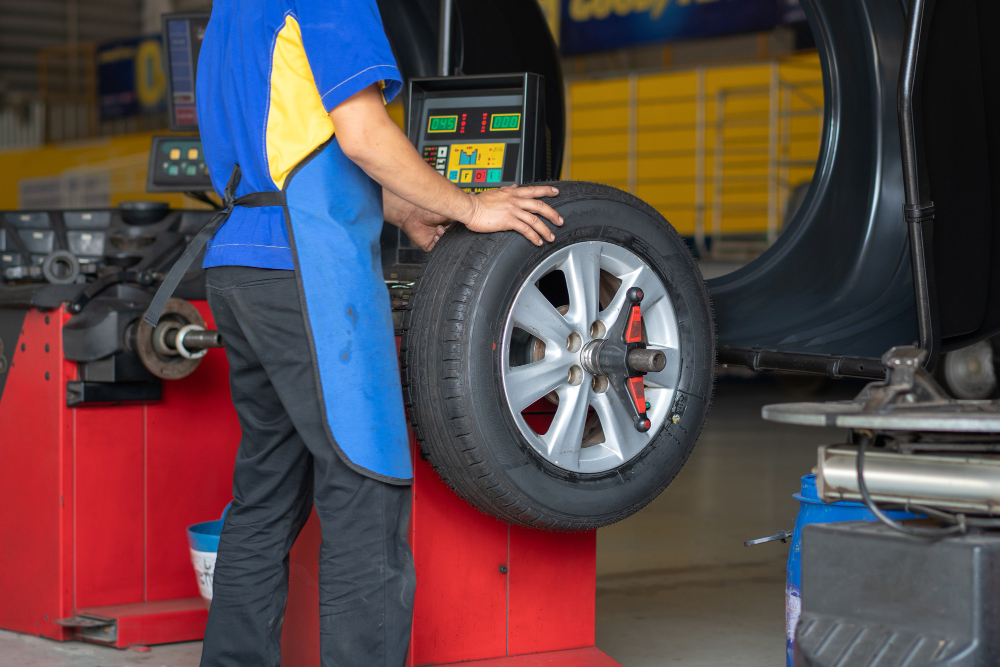
Balancing may be addressed depending on the scope of work and available equipment.
What to Expect During a Mobile Wheel Repair Appointment
Mobile appointments are designed to minimize disruption, but preparation is still important.
Typical Requirements
- A flat, stable parking area
- Adequate space around the vehicle
- Permission if the service is performed on commercial or managed property
- Brief availability for inspection and approval
Timeframes
Cosmetic repairs are often completed efficiently, while multi-step refinishing may require additional time for preparation and curing.
Understanding Mobile Wheel Repair Cost in Atlanta
Pricing varies based on wheel type, damage severity, and refinishing requirements. Many customers compare Mobile Wheel Repair Cost with replacement pricing, downtime, and convenience.
Factors That Influence Pricing
- Type of damage, cosmetic versus structural
- Wheel size and design complexity
- Finish type, including painted, machined, or specialty coatings
- Tire removal requirements
- Number of wheels being repaired
- Urgency or same-day scheduling
- Additional services, such as leak diagnosis or refinishing
When Repair Is Often the Best Choice
- The wheel is structurally sound but cosmetically damaged
- Replacement wheels are costly or difficult to source
- Dealership-level replacement pricing is undesirable
- Convenience and time savings are a priority
A reputable provider will provide clear estimates and confirm the final scope after inspection.
Why Drivers in Atlanta Choose Mobile Wheel Repair Services
Atlanta drivers regularly face heavy traffic, construction zones, road debris, and potholes. Wheel damage often occurs unexpectedly and at inconvenient times. Choosing a mobile wheel repair service in Atlanta allows drivers to address safety and appearance issues without disrupting their schedules.
Key advantages include
- Reduced vehicle downtime
- Service at home or work
- Faster turnaround than many traditional shops
- Less need for alternate transportation arrangements
Signs You Should Schedule a Wheel Repair Soon
Ignoring wheel damage can allow cosmetic issues to become functional problems.
Consider scheduling an inspection if you notice:
- Steering wheel vibration at specific speeds
- A slow tire leak that returns after reinflation
- Pulling or unstable handling
- Visible bends, flat spots, or severe curb impact marks
- Uneven tire wear on a single corner of the vehicle
Delaying repairs can accelerate tire wear and increase long-term costs.
When Mobile Wheel Repair May Not Be Suitable
Mobile repair is effective for many issues, but not all.
It may not be appropriate when:
- Cracks exist in the load-bearing areas of the wheel
- Severe bends result from high-impact damage
- Specialized finishes require controlled shop environments
- Suspension issues are causing repeated damage or misalignment
In these cases, a qualified technician should recommend replacement or further mechanical inspection.
Why Choose Atlas Wheel Repair
When wheel damage affects safety, comfort, and appearance, the best results come from providers who treat repairs as technical restorations rather than cosmetic shortcuts. Atlas Wheel Repair focuses on professional on-site service with emphasis on accuracy, preparation, and long-term performance.
Reasons Customers Choose Atlas Wheel Repair
- Skilled evaluations to confirm repair safety and value
- Proper surface preparation for durable refinishing
- Consistent processes that restore function and appearance
- Convenient scheduling for home and workplace service
- Clear communication regarding repair limitations and recommendations
Atlas Wheel Repair is well-suited for drivers seeking convenience without compromising quality.
Conclusion
Mobile wheel repair delivers professional inspection, repair, and refinishing directly to your location. The process typically includes evaluation, preparation, restoration, refinishing when required, and final safety checks.
For drivers in Atlanta, it offers an efficient solution for addressing curb rash, minor bends, and finish damage without the inconvenience of shop visits. Atlas Wheel Repair provides dependable service with professional care, clear guidance, and a strong focus on safety and convenience.
Frequently Asked Questions
1. How can I tell if wheel damage is cosmetic or structural?
Answer: Cosmetic damage includes scuffs and curb rash that do not alter wheel shape. Structural issues often involve vibration, visible bends, or air leaks. A professional inspection is the most reliable way to determine the difference.
2. Can a bent wheel be repaired on-site?
Answer: Many minor bends can be corrected depending on severity and wheel design. If damage exceeds safe limits, the technician may recommend shop repair or replacement.
3. Will repaired wheels look noticeably different?
Answer: High-quality repairs aim to blend finishes and restore uniform contours. Results depend on the finish type and damage. Expectations may vary for older or previously worn wheels.
4. Is it safe to drive with a slightly bent rim?
Answer: Even minor bends can increase tire wear and affect suspension components. Inspection is recommended as soon as vibration or visible damage is noticed.
5. How long does a mobile wheel repair take?
Answer: Timeframes depend on damage severity and refinishing needs. Simple cosmetic repairs take less time, while refinishing requires preparation and curing.